

When acne scars sit deep, skincare alone rarely rewrites skin texture. That is when medical resurfacing becomes relevant.
Two of the most important tools in acne scar revision at Monteray Clinic near Shah Alam are Fractional CO2 laser and TCA CROSS. They work differently. Used well — often as part of a staged combination plan — they can meaningfully improve ice-pick, boxcar, and broader textural scarring.
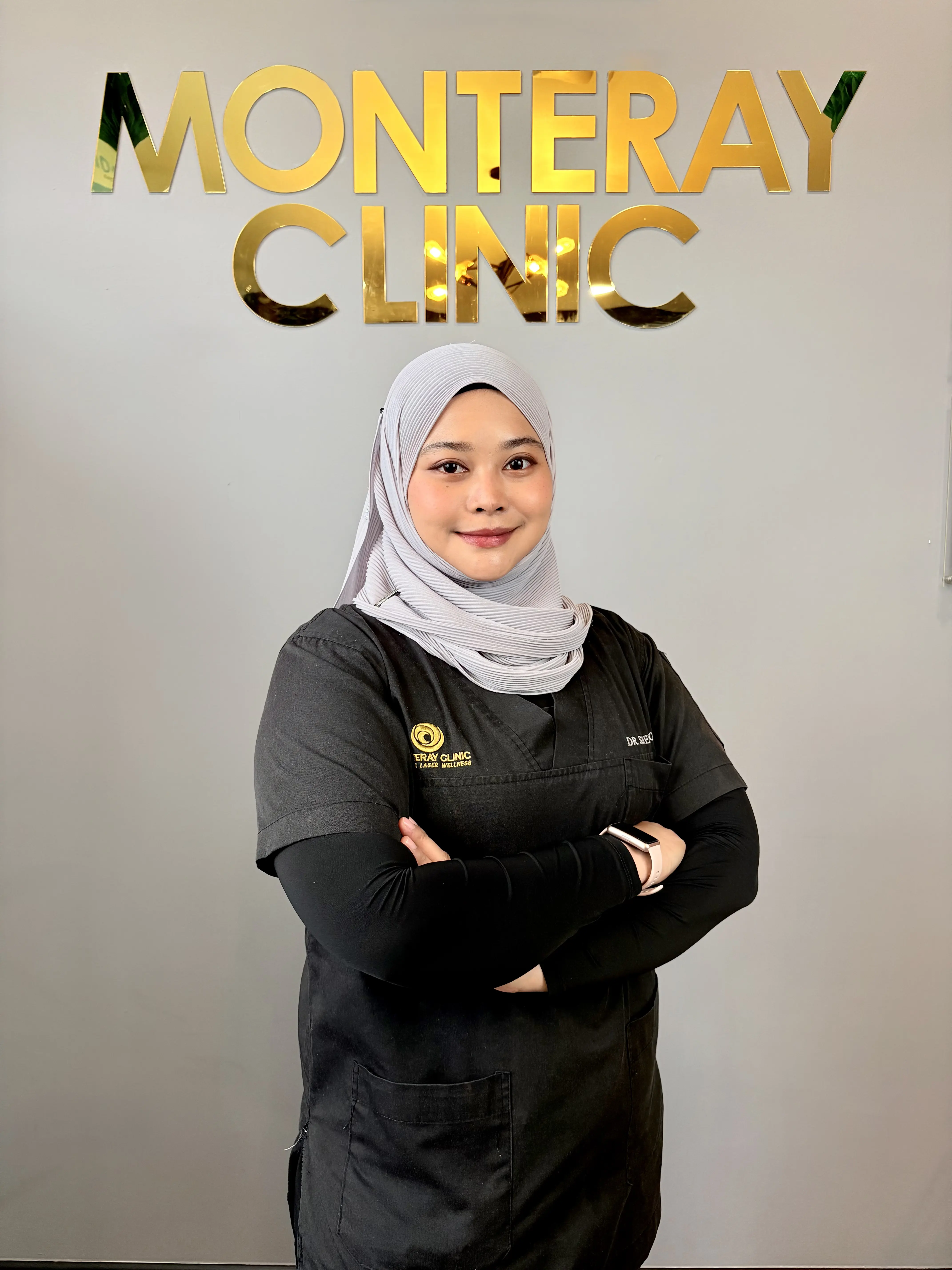
Care is led by Dr. Sheila Om, LCP-certified aesthetic doctor. Learn more on our laser and skin resurfacing page.
Fractional CO2 laser: collagen renewal through controlled resurfacing
Fractional CO2 laser is used for concerns such as:
- Acne scars
- Enlarged pores
- Uneven texture
- Selected signs of skin ageing
It works by creating controlled micro-injuries within the skin to stimulate collagen renewal and natural healing. As new collagen forms, skin can gradually become smoother, firmer, and more refined.
This treatment suits patients seeking deeper rejuvenation and longer-term improvement in overall skin quality — provided they can accept downtime and follow aftercare.
What a CO2 session typically involves
- Duration: about 30 to 45 minutes (plus preparation)
- Comfort: numbing cream is usually applied for 45 to 60 minutes; with proper preparation, discomfort is often manageable
- Sensation: warmth or a prickly feeling during treatment; cooling support is used for comfort
- Downtime: commonly several days of redness; fuller social recovery often around 5 to 7 days depending on intensity
- Results: often noticeable after one session, with continued improvement as collagen remodels
Intensity is not one-size-fits-all. Stronger settings are not automatically better. Skin type, scar depth, and healing capacity guide parameters.
TCA CROSS: precision for deep ice-pick and boxcar scars
TCA CROSS is a specialised technique for selected deep ice-pick and boxcar acne scars. A high concentration of trichloroacetic acid is carefully applied directly into the scar to stimulate collagen production and regeneration from within.
Over time, this can improve the depth and appearance of targeted scars, creating a smoother, more even surface.
What TCA CROSS typically involves
- Duration: around 20 minutes for the procedure itself
- Comfort: generally well tolerated
- Downtime: small scabs commonly form and fall off over about 5 to 7 days; redness may take up to around 2 weeks in some individuals
- Results: often noticeable within one session, with progressive improvement as collagen remodels
TCA CROSS is frequently combined with other resurfacing treatments for more comprehensive scar improvement. It is a precision tool — not a full-face “one and done” solution for every texture concern.
Fractional CO2 vs TCA CROSS: which do you need?
| Clinical picture | Often more central |
|---|---|
| Broader texture issues, pores, overall scarred skin quality | Fractional CO2 |
| Deep, narrow ice-pick scars | TCA CROSS |
| Mixed scar patterns | Staged combination plan |
| Mainly dark marks without deep texture | Pigment pathway (e.g. Q-Switch), not first-line CO2/TCA |
Your doctor will assess scar type, skin tone, healing history, and lifestyle before recommending intensity and sequencing.
For scar type basics, start with acne scar types and treatment options. For pigment-dominant concerns, see Q-Switch laser for melasma and post-acne marks.
What CO2 laser downtime really involves
Resurfacing works because it creates a controlled healing response. Downtime should be expected and respected.
Important aftercare principles include:
- Following your clinic’s skincare instructions closely
- Avoiding picking at scabs or peeling skin
- Using diligent sun protection
- Pausing harsh actives until cleared
- Allowing collagen remodelling enough time to work
Improvements continue beneath the surface long after visible redness has settled. Plan work, events, and travel around recovery — not the other way around.
A simple recovery mindset
- Days 1–3: expect redness and a “treated” look
- Days 3–7: peeling/settling phase for many patients (intensity-dependent)
- Weeks 2–12+: progressive collagen remodelling
Exact timelines vary. Your doctor will set expectations for your settings.
Who is a good candidate — and who should wait
Often suitable
- Controlled acne with established scars
- Realistic expectations (improvement, not perfection)
- Ability to protect from sun and complete aftercare
- Willingness to do a series if needed
Often delay or modify
- Highly active inflammatory acne
- Recent tanning or unavoidable heavy sun exposure
- Pregnancy considerations and other medical contraindications
- History of abnormal scarring that needs careful review
- Inability to take downtime for the planned intensity
Fitzpatrick skin type and pigment risk are part of every decision in Malaysia. Cautious parameters and sun discipline reduce the chance of post-inflammatory hyperpigmentation.
Cost and planning questions
Patients often ask about fractional CO2 laser cost and how many sessions they will need. Pricing depends on:
- Treatment area
- Intensity
- Whether TCA CROSS or other modalities are combined
- Number of sessions in the plan
Consultation is the only accurate way to plan both budget and timeline. Be wary of online package prices quoted without examination.
How combination plans are staged
A common medical logic (individualised in clinic):
- Control active acne if needed
- Address priority scar architecture (e.g. TCA CROSS for deep ice-picks)
- Improve broader texture with Fractional CO2 when appropriate
- Manage residual pigment carefully
- Maintain with skincare, sun protection, and optional regenerative support
Skinboosters or other quality treatments may support the skin later, but they do not replace structural scar revision. See skinboosters explained for that pathway.
Related reading
- Acne Scar Treatment: Types and Options
- Q-Switch Laser for Pigmentation and Post-Acne Marks
- Finding the Right Aesthetic Clinic in Shah Alam
- Laser skin resurfacing service
FAQ: Fractional CO2 and TCA CROSS
How long is downtime after Fractional CO2 laser?
Many patients experience several days of redness. Fuller recovery is often around 5 to 7 days, depending on intensity.
How long is recovery after TCA CROSS?
Small scabs usually form and fall off within about 5 to 7 days. Some individuals need up to around 2 weeks for redness to settle fully.
Can Fractional CO2 and TCA CROSS be combined?
Yes. Mixed scar patterns often improve more with a combination plan than either treatment alone. Timing and intensity are doctor-directed.
Is this available for patients from Shah Alam?
Yes. Monteray Clinic in Bandar Rimbayu is a short drive for Shah Alam and Kota Kemuning patients seeking laser acne scar treatment.
Will one session be enough?
Sometimes you will see a clear change after one session. Most established scar plans still benefit from a series and progressive remodelling.
Is CO2 safe for all skin tones?
It can be used thoughtfully across a range of skin types, but pigment risk must be assessed. This is not a DIY or trend-driven treatment.
Preparing your life for resurfacing downtime
The clinical plan fails socially if downtime is ignored. Before Fractional CO2 or TCA CROSS, plan:
- Work meetings and video calls
- Weddings, holidays, and travel
- Gym intensity and heat exposure
- Childcare or public-facing roles
A well-timed moderate session often outperforms an aggressive session forced into a busy week. Tell your doctor your calendar honestly.
Pigment risk management in Malaysian climate
Heat and UV are constant variables here. After resurfacing:
- Reapply sunscreen as directed
- Use physical shade and hats outdoors
- Avoid “just a short walk” unprotected exposure
- Pause self-directed acids or retinoids until cleared
- Report unexpected darkening early rather than self-treating
Post-inflammatory hyperpigmentation risk is manageable with discipline and doctor-led parameters. It is harder to reverse when patients improvise brightening products too early.
Why combination plans beat device loyalty
Some clinics sell one machine as the answer to every scar. Real faces are mixed. Ice-pick bases, rolling fields, and residual brown marks often coexist. A staged plan that uses TCA CROSS where punctate depth matters and Fractional CO2 where broader texture matters is simply better medicine.
If pigment dominates after texture improves, a Q-Switch pathway may enter later. That is sequencing, not indecision.
Consent conversation: what you should hear before treatment
A proper consent discussion for Fractional CO2 or TCA CROSS should cover:
- Intended benefits and realistic percentage improvement language
- Expected downtime range for your planned intensity
- Pigment and scarring risks relevant to your skin type
- Infection prevention and aftercare burden
- Alternative options (including doing less or waiting)
- When to call the clinic after treatment
If consent is a signature without explanation, that is not informed consent.
At-home recovery kit mindset
Ask your clinic what products and habits are approved. Typical themes include:
- Gentle cleanser only when allowed
- Occlusive or prescribed healing support as directed
- Strict sun avoidance strategy
- No picking, scrubbing, or “helping” peels along
- Sleep elevation if swelling is significant
Stock supplies before treatment day. Running to a pharmacy while freshly resurfaced is miserable.
Work and social recovery scripts
Patients often need simple language for colleagues:
- “I had a medical skin procedure and need a few quiet days.”
- “I will be on camera again next week.”
You do not owe anyone product details. Plan your calendar so you are not forced into premature public-facing days.
Medical note
This article is educational and does not replace personal medical advice. Laser and chemical scar procedures carry risks and require clinical assessment, informed consent, and aftercare compliance.
A doctor-led scar plan
Acne scar revision is highly individual. Too aggressive, and recovery becomes harder than necessary. Too cautious, and progress may stall.
At Monteray Clinic, Dr. Sheila Om builds scar plans around medical assessment and realistic timelines. The goal is meaningful texture improvement with safety as the priority.
If you are ready to explore Fractional CO2 laser, TCA CROSS, or a combined approach, book a consultation or call 0122493449.